Author
by Luminis Health

Log in with MyChart
Access personalized site features & view your health records.
Learn more about MyChartDon’t have a MyChart account?
Your Account
Go to MyChart
Messages
Billing Summary
Find Care
Schedule Appointment
My Care Team
My Record
Appointments
Medications
Insurance Summary
Log in with MyChart
Access personalized site features & view your health records.
Learn more about MyChartDon’t have a MyChart account?
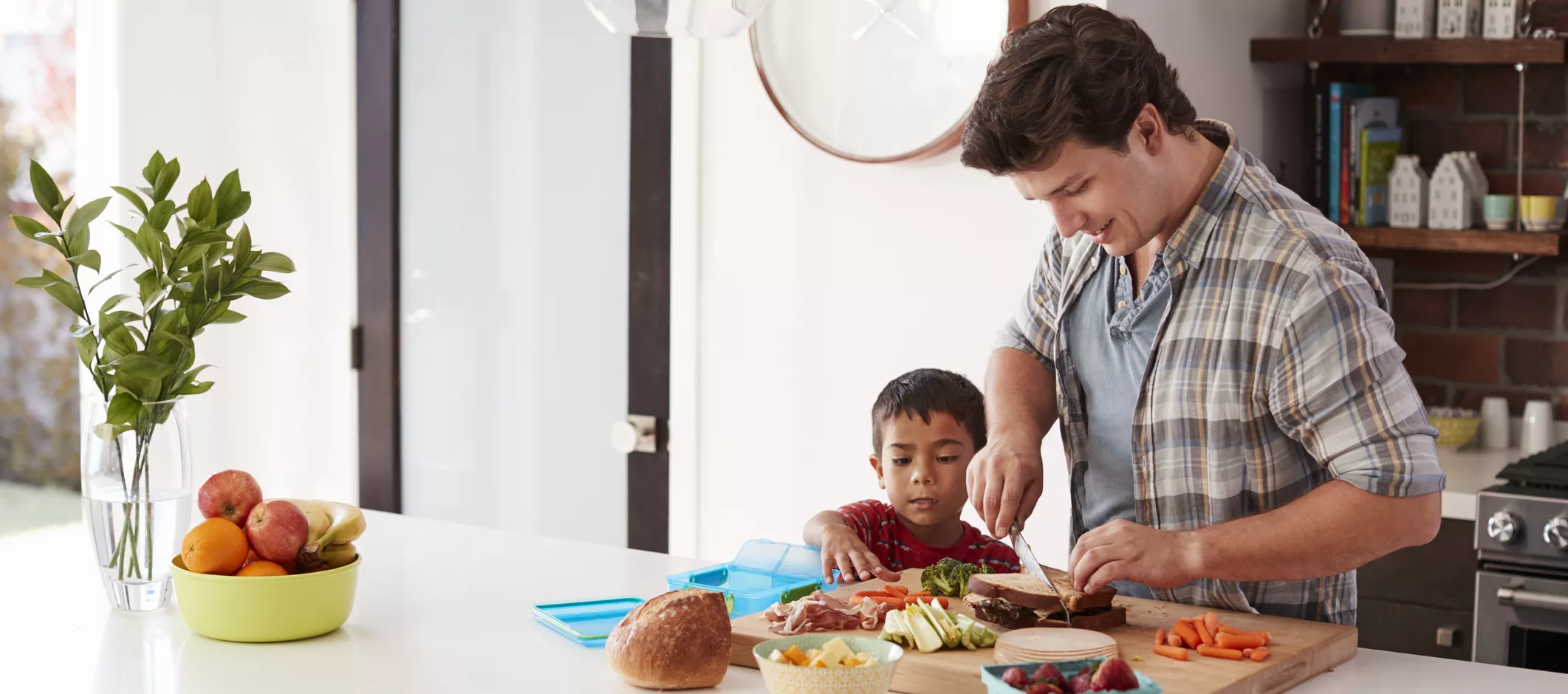
Soon, kids everywhere will be making their way back to the classroom — and in some cases, for the first time in quite a while. Whether thoughts of your little ones heading back to school evoke tears or applause, this much is clear: It’ll take some time to get back in the swing of things, even for mom and dad.
Though you may be out of practice packing your kids’ lunches, this midday meal is essential to fuel your child’s mind and body for the afternoon. You might be thinking, “how do I prepare a healthy meal for my child? Or, “how do I get them to eat it?” These are good questions, and we’ve got the answers.
A healthy meal for a school-aged child is pretty much the same as a healthy meal for an adult. It includes nutrient-rich foods from key food groups — proteins, fruits, vegetables, whole grains and dairy products — and goes easy on added sugars, and saturated fats and sodium.
By design, school lunch programs provide nutritious meals that are a good value for your money. But if your kiddos would rather bring a meal from home, allowing them to pack will go a long way in ensuring they get a midday recharge.
Sandwiches are a noontime staple. To boost their nutritional content, serve them on whole-grain bread and add veggies, such as baby spinach, tomatoes, sliced cucumbers or shredded carrots. To make a sandwich more interesting — and something your child will be more likely to eat — you could even use cookie cutters to make them into fun shapes.
Other unique “sandwich” options include:
Choosing a healthy drink for your child’s lunch is just as important as choosing healthy foods. The American Academy of Pediatrics recommends providing mostly water and unflavored milk for beverages. The amount of fluid your child will need every day will depend on their age, but in general the recommendations can range from 32-64 ounces per day.
To help limit the amount of added sugar your child drinks per day, limit flavored milks, sports drinks, and other juices that contain added sugar. The American Academy of Pediatrics recommends limiting 100% fruit juices to 4 to 8 ounces per day.
Of course, sandwiches don’t have to be part of every lunch. Mixing things up may keep your child from getting bored. Get creative and try:
Choosing colorful food can help make a more attractive plate that is fun to eat for kids. The different colors of fruits and vegetables provide different vitamins and minerals. So, by including a variety of colors in your child’s lunch you are increasing the amount of nutrition they get from their meal.
Kids are more likely to be excited about their lunches if they have choices and are involved in the process. Here are a few suggestions:
a. Make a list. Together with your kids, create a list of healthy foods they enjoy within each key food group. It might look something like this:
b. Shop together. Take your kids to the grocery store with you and let them pick out healthy items (with your approval). They might even find new foods they’re willing to try. It’s also a good idea to get your child’s input when purchasing a lunch bag and storage containers. Just like a backpack, this back-to-school item allows kids to show a little personality. Kids are also more likely to take care of their belongings if they love them.
c. Plan a menu. Based on your purchases, sit down together and plan a lunch menu for the week. Aim to include foods from each category each day. And occasionally, a few bites of dark chocolate or an oatmeal raisin cookie are nice.
d. Pack ahead. Try bagging or packing items on the weekend for the upcoming week. It’s easy enough to keep them fresh in the fridge, and it will help your mornings run more smoothly. It’s also fun to add a note, funny picture or joke every day. These little pieces of home give kids reassurance, encouragement and something to look forward to at lunch time.
When it comes to food, safety should always be a priority. Before packing the lunch pail, consider these safety tips: