Author
by Luminis Health

Log in with MyChart
Access personalized site features & view your health records.
Learn more about MyChartDon’t have a MyChart account?
Your Account
Go to MyChart
Messages
Billing Summary
Find Care
Schedule Appointment
My Care Team
My Record
Appointments
Medications
Insurance Summary
Log in with MyChart
Access personalized site features & view your health records.
Learn more about MyChartDon’t have a MyChart account?
Hello,
Go to MyChart
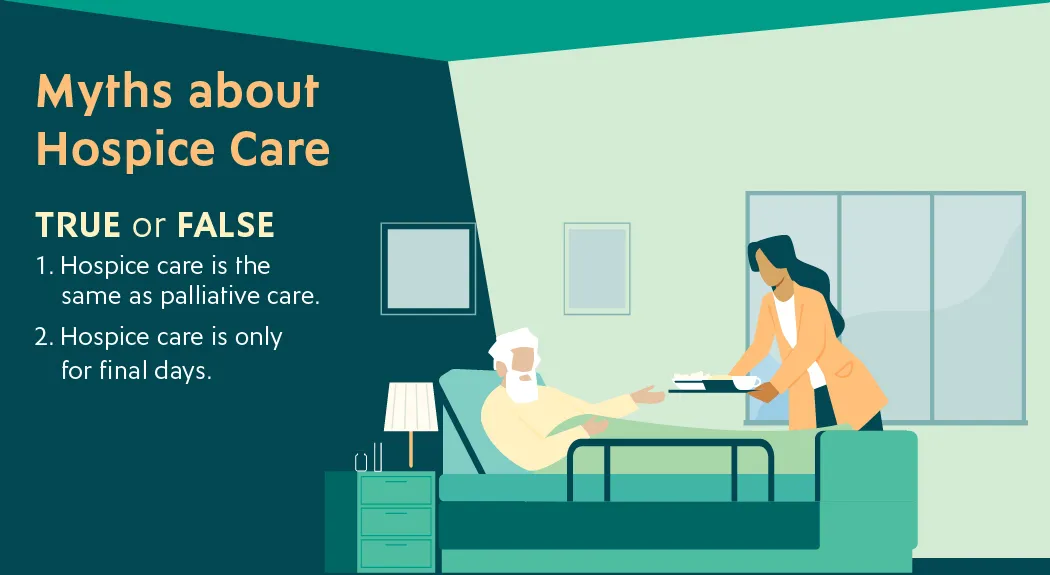
As Maryland’s population of older adults continues to grow faster than much of the country, more families may face decisions about palliative and hospice care for a loved one. Hospice care can be difficult to discuss, especially because many misconceptions surround what it means. Experts from The Lifecare Institute address some of the most common myths about hospice care.
Hospice care does not mean giving up. Instead, it provides medical care, emotional support and comfort to help patients make the most of their time when they have a life limiting illness.
Hospice care serves people with a life-limiting illness and a life expectancy of six months or less. Patients receive the greatest benefit when hospice care begins well before the final days of life.
When families wait too long to explore hospice, they may miss valuable medical, emotional and supportive services that can improve quality of life and help prevent stressful hospital or emergency department visits.
In fact, with the right support, many patients live for months or longer. Former President Jimmy Carter, for example, received hospice care for more than a year.
Hospice care enhances quality of life by providing compassionate support that allows people to spend their final days in comfort, peace and dignity wherever they feel most at ease. While hospice services are available in long term care facilities, assisted living communities and group homes, many patients choose to receive care in their own homes whenever possible.
Home hospice care offers many benefits, including:
Hospice care supports family members and caregivers as well as patients. Caring for a loved one with a serious illness can feel physically and emotionally overwhelming. Hospice teams help families navigate the process through guidance, education and emotional support.
Support services may include:
Although both hospice and palliative care focus on comfort and quality of life, they serve different purposes. Palliative care can begin at any stage of a serious illness and may accompany curative treatment. Hospice care serves patients nearing the end of life when treatment no longer focuses on curing disease.
If a loved one’s care team has recommended hospice care, contact The Lifecare Institute at 443-332-5800. The Lifecare Institute provides services across care settings in Anne Arundel and Prince George’s counties.
Even if hospice care feels far in the future, you can prepare yourself and your loved ones by creating an advance directive. An advance directive helps ensure health care wishes are understood and respected. It also provides guidance to loved ones and medical professionals during critical moments when a person cannot communicate their decisions. Learn more about creating an advance directive.
 Dr. Stephanie Carpenter, is the medical director of Palliative Medicine for Luminis Health.