

Author
Get stories & resources like this in your inbox
Sign up to stay up to date on the latest Luminis Health stories & news.
Sign Up
General - Tier 3 Section

Menopause is one of the most common medical conditions in the world, and one of the least understood. Hot flashes, sleepless nights, and mood swings can all be signs of this major hormonal shift. But symptoms differ from woman to woman, and may be severe or mild.
Here’s what you need to know about the signs of menopause — and what options are available to treat them.
What Is Menopause?
Menopause occurs when you stop having periods. Officially, it begins 12 months after your last period.
Menopause occurs because your body makes less of the female hormones estrogen and progesterone, and your ovaries stop releasing eggs.
According to the U.S. Department of Health and Human Services Office on Women’s Health, the average age of menopause in the United States is 52. But you might have irregular periods and menopausal symptoms for years before that, during the transition time known as perimenopause. Perimenopause usually lasts about four years, and typically starts in your mid-40s — although the time frame can vary. Symptoms like hot flashes can persist for more than a decade after menopause.
Signs of Menopause
Every woman’s experience is unique, and yours may be different from your friends or relatives. The intensity of symptoms can also vary greatly. Generally speaking, these are the most common symptoms of menopause:
- Hot flashes — a feeling of warmth that suddenly spreads over your whole body, sometimes followed by a chill. Hot flashes usually start in your upper body, especially around your face and neck. The sensation might be as short as 30 seconds or last up to 10 minutes. The frequency varies — hot flashes can happen rarely, once or twice a day, or several times an hour.
- Mood swings — your shifting hormones may cause you to feel irritable, moody, forgetful, or depressed.
- Difficulty sleeping — you may have trouble falling asleep, or may wake up in the middle of the night with night sweats. Many women have trouble falling back to sleep once awake.
- Vaginal dryness — during the menopausal transition, vaginal tissue becomes thinner and drier, which can make sex painful.
- Loss of interest in sex — your libido may diminish as your hormones change.
- Body changes — as hormone levels decline, you may lose muscle mass and gain fat around your waist. Your hair may thin out and your skin could become drier.
- Aches and pains — many women experience headaches, joint pain, or muscle pain during menopause.
How to Ease Symptoms of Menopause
It’s important to talk to your doctor about your menopause symptoms. If you’re suffering, there is hope by taking the following steps:
Hormone therapy
Your doctor may recommend hormone therapy for relieving hot flashes, vaginal dryness, night sweats, and mood swings. Hormone therapy may also help prevent bone fractures from osteoporosis, decrease your chances of developing heart disease, and lower your risk of dementia.
The two types of hormone therapy are:
- Estrogen therapy — your doctor may recommend estrogen therapy if you had a hysterectomy (removal of your uterus). It comes in patch, pill, cream, gel, spray, or vaginal ring form.
- Combination therapy — uses both estrogen and progesterone in pill or patch form. It is for women who still have a uterus. Progesterone is used in various birth control methods, but can also help treat symptoms of menopause.
Lifestyle changes
There are many things you can do at home to help ease menopause symptoms.
Consider trying the following:
- Eat a healthy diet. Eating fried, high-calorie, or fatty foods and drinking sugary soda can make menopausal symptoms worse.
- Prioritize sleep. Shortchanging rest can aggravate menopausal symptoms.
- Try to avoid hot flash triggers like caffeine, spicy foods, alcohol, hot weather, and stress.
- Use vaginal lubricants to make sex more comfortable.
- Exercise to relieve stress and improve your overall health.
- If you smoke, make a plan to quit. Smoking can trigger hot flashes and even lead to earlier menopause.
To Get Help for Symptoms of Menopause
There’s no need to suffer with menopausal symptoms. Make an appointment with a Luminis Health OB-GYN.
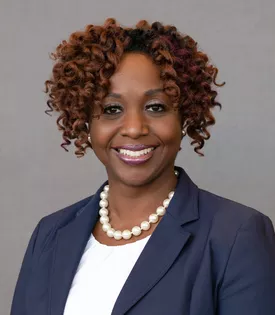
Ifeyinwa Stitt, MD is an obstetrician gynecologist at Luminis Health.
Related Stories
-
Imagen

Why getting healthy before pregnancy can make a big difference
-
Imagen

Understanding Cervical Cancer Screening: What You Need to Know
-
Imagen

Luminis Health Unveils TeamBirth Program to Improve Maternal Health and Reduce Infant Mortality
-
Imagen

Luminis Health Anne Arundel Medical Center Named a 2025 Best Hospital for Maternity Care by U.S. News & World Report
Get stories & resources like this in your inbox
Sign up to stay up to date on the latest Luminis Health stories & news.
Sign Up